TL;DR
- Take a breath — you don't need to have everything figured out right now
- Start a prenatal vitamin with folic acid today if you haven't already
- Call your provider to schedule your first prenatal appointment (usually around 8 weeks)
- It's completely normal to feel excited, terrified, overwhelmed, or all of the above at the same time

First: Breathe
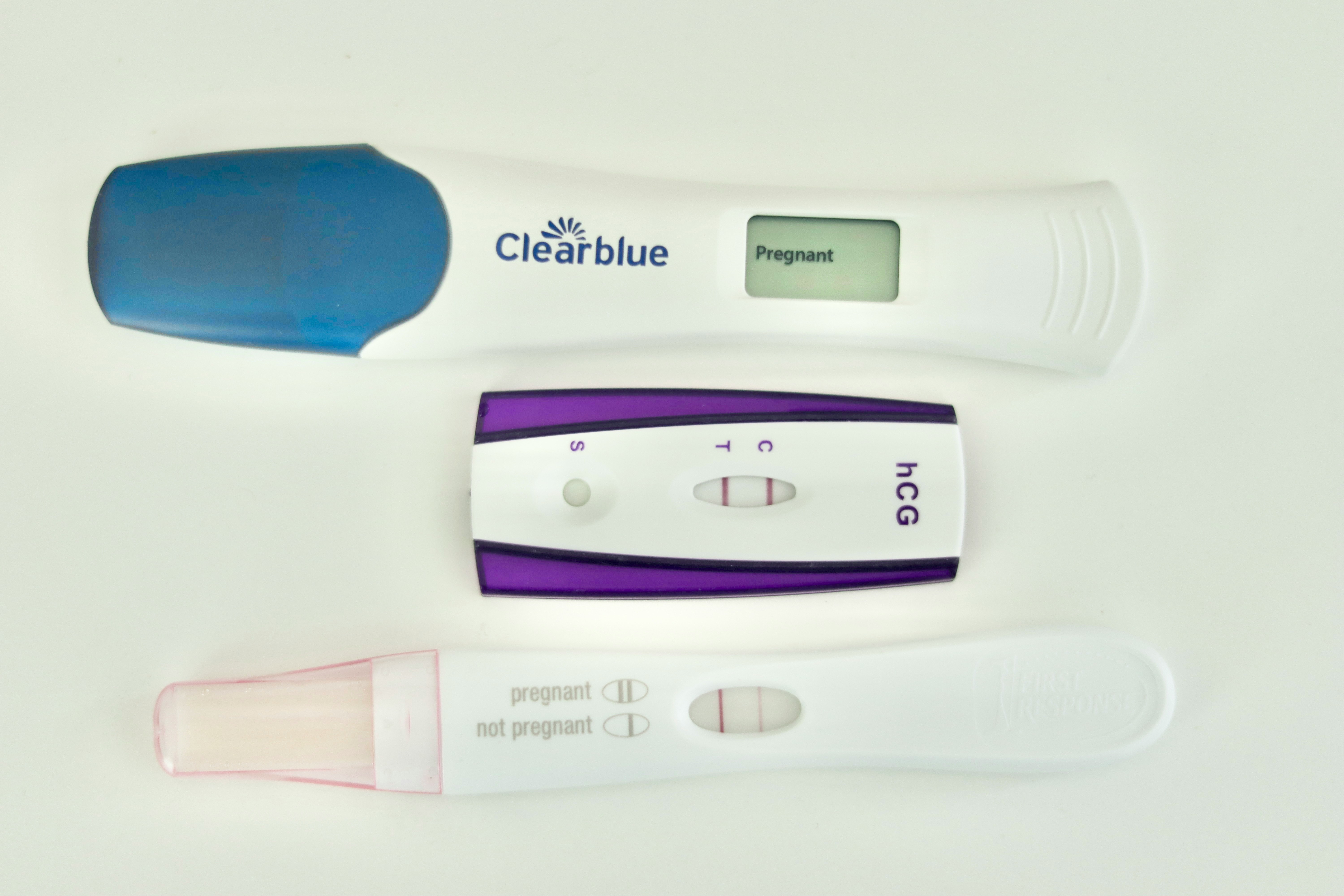
You just saw those two lines, that plus sign, or that word on the screen. And now your brain is probably doing something between celebration, panic, and a very long to-do list.
Whether you've been trying for months, this was a complete surprise, or you're still processing what this means — take a moment. You don't have to do anything in the next five minutes except sit with this.
There is no wrong way to react. Joy, fear, disbelief, numbness, ugly crying in the bathroom — all of it is valid. This is one of the biggest moments of your life. It gets to feel however it feels.
Now, when you're ready, here's what actually needs to happen — and what can wait.
What to Do This Week
Start a Prenatal Vitamin
If you're not already taking one, pick up a prenatal vitamin today. You don't need a prescription — any pharmacy or grocery store carries them. The most important ingredient is folic acid (at least 400 micrograms, ideally 600-800 mcg). Folic acid helps prevent neural tube defects, and it's most critical in the very early weeks of pregnancy — often before people even know they're pregnant.
If prenatal vitamins make you nauseous (common in the first trimester), try taking them at night with a small snack, or ask your provider about a different brand or gummy version.
Call Your Healthcare Provider
Call your OB-GYN, midwife, or primary care provider to schedule your first prenatal appointment. Most offices will schedule you around 8 weeks from the first day of your last period. Some want to see you sooner, especially if you have a history of complications or are on certain medications.
Don't have a provider yet? Now is a good time to find one. Ask friends for recommendations, check your insurance network, or call your primary care doctor for a referral. If you're unsure whether to see an OB-GYN or a midwife, know that both provide excellent prenatal care — the right choice depends on your preferences and risk factors.
Review What You're Putting in Your Body
A few things to address sooner rather than later:
- Alcohol: Stop drinking. There's no known safe amount of alcohol during pregnancy.
- Caffeine: You don't have to give up coffee entirely. The general guidance is to keep it under 200mg per day — roughly one 12-ounce cup of brewed coffee.
- Smoking and recreational drugs: Talk to your provider about quitting. They can help with a safe plan, and there's zero judgment — providers see this regularly and want to help.
- Medications: Don't stop taking any prescription medications without talking to your provider first. Many medications are safe during pregnancy, and suddenly stopping some (like antidepressants or seizure medications) can be dangerous. Call your provider's office and ask — most can advise you over the phone quickly.
Start Paying Attention to Food Safety
You don't need to overhaul your entire diet overnight, but there are a few things to avoid:
- Raw or undercooked meat, eggs, and seafood (including sushi with raw fish)
- Unpasteurized dairy and juice
- Deli meats and hot dogs unless heated until steaming
- High-mercury fish like swordfish, shark, king mackerel, and tilefish
- Unwashed fruits and vegetables
These guidelines exist because pregnancy changes your immune system in ways that make you more susceptible to foodborne illness. It's not about being perfect — it's about being aware.
What to Do in the Next Few Weeks
Figure Out How Far Along You Are
Pregnancy is dated from the first day of your last menstrual period (LMP), not from conception. So if your last period started 5 weeks ago, you're considered 5 weeks pregnant — even though conception likely happened about 3 weeks ago. Yes, it's confusing. Your provider will confirm your dating at your first appointment, often with an ultrasound.
Decide Who to Tell (and When)
There's no rule about when you have to tell anyone. Some people share the news immediately. Others wait until after the first trimester, when the risk of miscarriage drops significantly. Some tell a few close people right away and wait to make a broader announcement.
Things to consider:
- Your partner or support person: Most people tell them first, if they don't already know
- Close friends or family: People you'd want support from regardless of the outcome
- Your employer: Many people wait until after the first trimester, but if your job involves physical hazards or if you need accommodations for symptoms, you may want to tell your supervisor sooner
- Social media: Entirely up to you and your timeline
There is no wrong time. This is your news to share on your schedule.
Look Into Insurance and Financial Basics
This doesn't have to happen immediately, but within the next few weeks:
- Review your health insurance. Understand what your plan covers for prenatal care, delivery, and postpartum care. If you need coverage, look into Medicaid (which covers pregnancy in all states with expanded eligibility) or marketplace plans.
- Start thinking about leave. Look into your employer's parental leave policy and FMLA eligibility. If your state has paid family leave, research how it works and when to file.
What Can Absolutely Wait
Not everything needs to happen right now. These are fine to deal with later:
- Setting up a nursery — You have months
- Choosing a name — Enjoy browsing without pressure
- Buying baby gear — Most of it isn't needed until the third trimester
- Having a birth plan — You'll learn more about your options as your pregnancy progresses
- Telling everyone — On your timeline, no one else's
The Emotional Part
Let's be honest: finding out you're pregnant brings up a lot. Even if this is exactly what you wanted, it's common to feel:
- Anxiety about miscarriage. Especially in the first trimester, many people feel afraid to get too attached or too excited. This fear is normal and doesn't mean something is wrong.
- Overwhelmed by the future. Parenthood is a massive life change. It's okay to not feel ready. (Most people don't.)
- Lonely. If you're keeping the news quiet in the early weeks, it can feel isolating — especially when you're exhausted and nauseous and can't explain why.
- Grief or complicated feelings. If you've experienced loss before, pregnancy can bring up a mix of hope and fear that's hard to untangle.
Whatever you're feeling, you're not the only one. And it doesn't make you a bad parent.
When to Call Your Provider Before Your First Appointment
Even if your first appointment isn't for a few weeks, contact your provider right away if you experience:
- Severe abdominal pain, especially sharp or one-sided pain
- Heavy bleeding (more than light spotting)
- Severe vomiting where you can't keep anything down
- Dizziness or fainting
- Fever over 100.4 degrees
- Painful urination (could indicate a UTI, which should be treated promptly in pregnancy)
Sources
This article is written from published guidance by the organizations below. Every link is checked automatically and re-verified on the date shown.
- ACOGYour First Prenatal VisitLink verified Sep 7, 2026
- ACOGPrenatal CareLink verified Sep 7, 2026