TL;DR
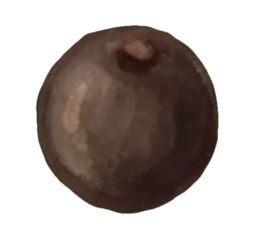
- Your baby is a tiny cell, smaller than 1mm
- This week marks fertilization and the very beginning of life
- You may not feel any different yet — and that's completely normal
- Start taking prenatal vitamins with folic acid if you haven't already
Your Baby This Week
Here's something that might surprise you: week 1 of pregnancy actually begins on the first day of your last menstrual period, even though conception hasn't happened yet. Doctors count pregnancy this way because the exact moment of fertilization is nearly impossible to pinpoint, so they use this reliable starting date instead.
During this time, your body is preparing for the possibility of pregnancy. Your uterine lining is building up, creating a warm, nourishing environment for a potential embryo. Meanwhile, hormones like follicle-stimulating hormone (FSH) are getting to work, helping an egg mature inside one of your ovaries.
If fertilization does occur — typically around the end of this week or early next week — a single sperm will meet a single egg, and in that microscopic moment, your baby's entire genetic blueprint is determined. Their eye color, hair texture, and so many other traits are decided right then and there, all packed into a cell smaller than the period at the end of this sentence.
It's remarkable to think that something so small holds so much potential. Even though there's nothing to see on an ultrasound and nothing to feel in your body just yet, the process that will become your baby is quietly setting the stage.
Your Body This Week
Since week 1 is technically the week of your period, what you're feeling right now is probably familiar: menstrual cramps, bloating, fatigue, or breast tenderness. These are all normal parts of your cycle and not yet signs of pregnancy.
You might not know you're pregnant at this point — in fact, most people don't. That's perfectly okay. Your body is doing its thing behind the scenes, whether you're aware of it or not.
Some people who are actively trying to conceive are hyper-aware of every little sensation. If that's you, try to be gentle with yourself. It's early, and there's no way to know for sure what's happening inside just yet. The two-week wait between ovulation and a missed period can feel like the longest stretch of time, but it's a normal part of the process.
If you're planning for pregnancy, this is a great time to check in on your overall health. Are you eating well? Getting enough rest? Staying hydrated? These small habits matter more than you might think.
Common Questions at Week 1
Am I actually pregnant at 1 week?
Technically, no — not yet. Week 1 of pregnancy is counted from the first day of your last period, before conception has occurred. It's a dating convention that doctors use because it provides a consistent starting point. Actual fertilization typically happens around week 2 or 3.
When should I take a pregnancy test?
Most home pregnancy tests are accurate starting around the time of your missed period, which is about two weeks after ovulation. Testing too early can give you a false negative because the pregnancy hormone hCG hasn't built up enough to detect yet. If you can, wait until your period is late for the most reliable result.
What should I be doing right now if I'm trying to conceive?
Focus on the basics: take a prenatal vitamin with at least 400 micrograms of folic acid, eat a balanced diet, limit caffeine and alcohol, and try to reduce stress where you can. If you haven't had a preconception checkup, now is a great time to schedule one with your provider.
Does it matter what I eat this early?
Yes, nutrition matters from the very beginning. Folic acid is especially important because it helps prevent neural tube defects, and the neural tube forms very early in pregnancy — sometimes before you even know you're expecting. Eating folate-rich foods like leafy greens, citrus fruits, and fortified grains is a great start.
This Week's Tip
Start taking prenatal vitamins with folic acid if you haven't already. This is one of the most impactful things you can do right now. Folic acid plays a critical role in your baby's early development, particularly in forming the brain and spinal cord. The recommended amount is at least 400 micrograms daily, and many prenatal vitamins contain 800 micrograms or more. If over-the-counter prenatals upset your stomach, talk to your provider about alternatives — there are gummy versions, smaller tablets, and even prescription options that might work better for you.
Sources
This article is written from published guidance by the organizations below. Every link is checked automatically and re-verified on the date shown.
- ACOGHow Your Fetus Grows During PregnancyLink verified Sep 7, 2026
- Mayo ClinicFetal Development: The 1st TrimesterLink verified Sep 7, 2026