TL;DR
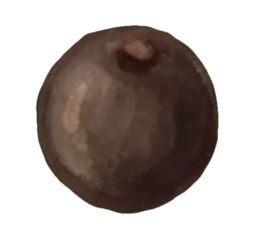
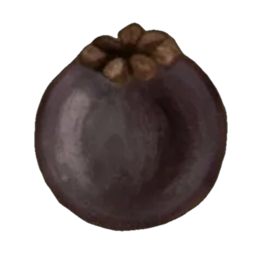
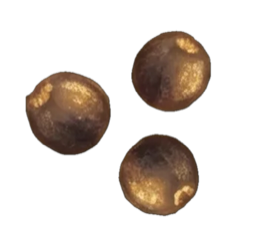
- Your baby is a tiny cell, still smaller than 1mm
- Cells are rapidly dividing and forming the blastocyst
- You might start to feel early pregnancy symptoms like fatigue or breast tenderness
- Stay hydrated — aim for at least eight glasses of water a day
Your Baby This Week
Week 3 is when things start to get exciting at a microscopic level. The blastocyst — that tiny cluster of cells that implanted in your uterine wall — is now dividing at an extraordinary pace. Cells are multiplying, specializing, and organizing themselves into the structures that will eventually form your baby's body.
The blastocyst has two distinct layers at this point. The outer layer, called the trophoblast, is developing into the placenta — the organ that will nourish your baby for the rest of the pregnancy. The inner cell mass is beginning to differentiate into three layers, each with its own destiny: one will become the nervous system, skin, and hair; another will become the digestive system and lungs; and the third will become the heart, muscles, bones, and blood.
The amniotic sac is also starting to form. This fluid-filled membrane will surround and protect your baby throughout pregnancy, acting as a cushion and temperature regulator. The yolk sac, which provides nutrients to the embryo before the placenta fully takes over, is developing as well.
It's astonishing to think that all of this complexity is unfolding in something smaller than a grain of sand. Your baby isn't visible to the naked eye, but the blueprint for an entire human being is being laid down right now, cell by cell.
Your Body This Week
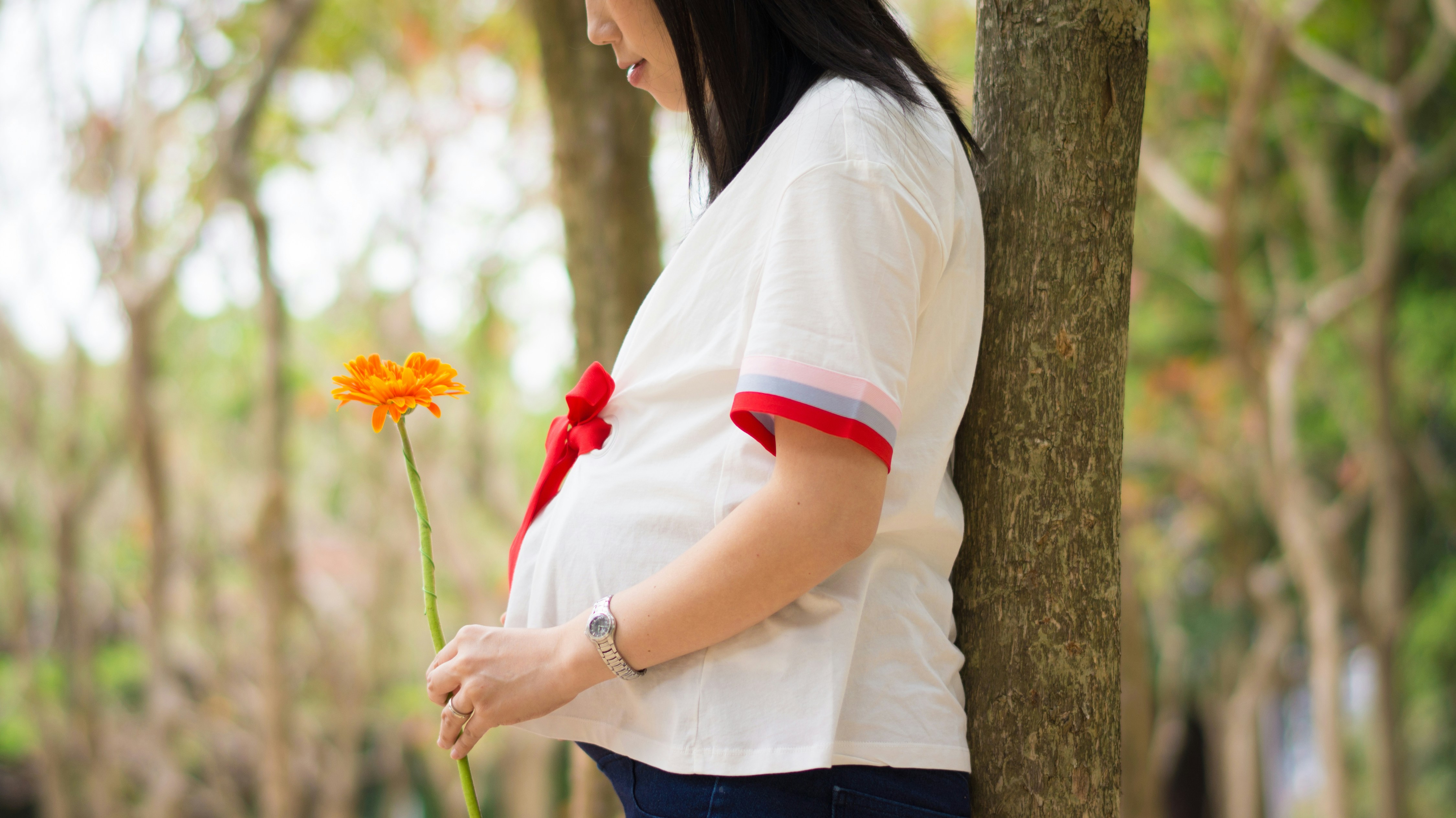
This is often the week when some people start to suspect something is up. Your period might be a day or two late, and you might begin to notice a few subtle changes that feel different from your typical premenstrual symptoms.
Rising hCG levels can bring on the earliest pregnancy symptoms. Fatigue is one of the first to show up — a deep, bone-level tiredness that sleep doesn't quite fix. Your body is working incredibly hard right now, even though you can't see it. Progesterone is surging, which can make you feel like you need a nap by 2 p.m.
Breast tenderness is another common early sign. Your breasts might feel heavier, fuller, or more sensitive than usual — similar to how they might feel before your period, but often more pronounced. Some people notice a tingling sensation or find that their bras feel uncomfortable.
You might also experience some bloating, mild nausea, or a heightened sense of smell. These symptoms are all driven by the hormonal changes happening inside your body as it adapts to support the growing pregnancy. Not everyone feels these things at three weeks, though — plenty of people have no symptoms at all, and that's perfectly fine too.
Common Questions at Week 3
Can I take a pregnancy test at 3 weeks?
You're getting close to the window when a test might work. Some sensitive early-detection pregnancy tests can pick up hCG a few days before your expected period. However, for the most reliable result, it's best to wait until the day of your missed period. If you test early and get a negative result, don't count yourself out — test again in a few days.
Is it normal to have no symptoms at 3 weeks?
Absolutely. Many people don't feel anything different at three weeks. Symptoms vary hugely from person to person and even from pregnancy to pregnancy. The absence of symptoms does not mean anything is wrong. Some people won't notice changes until week 5 or 6, and some lucky few sail through the first trimester with barely any symptoms at all.
Why am I so tired already?
Early pregnancy fatigue is largely caused by skyrocketing progesterone levels. This hormone helps maintain the uterine lining and support the pregnancy, but it also has a sedating effect. Your body is also increasing its blood volume and metabolic rate, which requires more energy. Think of it this way: you're building a human from scratch. That takes a lot out of you, even when it doesn't look like anything is happening yet.
Should I tell anyone yet?
That's entirely up to you. Some people share the news right away with a partner or close friend because they want support during the early weeks. Others prefer to wait until after the first trimester when the risk of miscarriage decreases. There's no right or wrong answer — do what feels right for your situation.
This Week's Tip
Stay hydrated — aim for at least eight glasses of water a day. Hydration is always important, but it becomes even more critical during pregnancy. Your body needs extra fluids to support increased blood volume, form amniotic fluid, and help your kidneys process the extra waste. Dehydration can worsen common early pregnancy symptoms like fatigue, headaches, and nausea. Keep a water bottle with you throughout the day and sip regularly. If plain water feels unappealing, try adding a slice of lemon or cucumber, or sip on herbal teas that are safe during pregnancy, like ginger or peppermint.
Sources
This article is written from published guidance by the organizations below. Every link is checked automatically and re-verified on the date shown.
- ACOGHow Your Fetus Grows During PregnancyLink verified Sep 7, 2026
- Mayo ClinicFetal Development: The 1st TrimesterLink verified Sep 7, 2026