TL;DR
- Some people notice pregnancy symptoms as early as 6-12 days after conception — before a missed period
- The most common early signs are fatigue, sore or swollen breasts, light cramping, and nausea
- Not everyone gets early symptoms, and having them doesn't guarantee pregnancy — a test is the only way to know for sure
- Most home pregnancy tests are accurate starting around the first day of your missed period, though some early-detection tests work a few days sooner

Your Body Is Already Changing
Here's something that surprises a lot of people: pregnancy symptoms can start before you even miss your period. Once a fertilized egg implants in your uterine lining — usually 6 to 12 days after ovulation — your body starts producing hCG (human chorionic gonadotropin), the hormone that pregnancy tests detect. And that hormonal shift can trigger real, noticeable changes almost immediately.
That said, every body is different. Some people feel changes within days. Others don't notice a thing until weeks later. Both are completely normal.
The Earliest Signs to Watch For
Sore or Swollen Breasts
This is one of the first symptoms many people notice. Your breasts might feel tender, heavy, or tingly — similar to how they feel before your period, but often more intense. You might also notice your areolas getting darker. This happens because of rising progesterone and estrogen levels as your body prepares for pregnancy.
Fatigue That Hits Like a Wall
If you suddenly feel like you could sleep for 14 hours and still wake up tired, that's a classic early pregnancy sign. Your progesterone levels are surging, your body is working overtime to build a placenta, and your blood volume is already starting to increase. It's not laziness. Your body is doing extraordinary work.
Light Cramping and Spotting
Some people experience what's called implantation cramping — mild cramps that happen when the fertilized egg attaches to the uterine wall. You might also notice very light spotting (sometimes called implantation bleeding). It's usually lighter and shorter than a regular period — more like a pinkish or brownish tinge than a full flow.
This can be confusing because it happens right around the time you'd expect your period. The key difference is that implantation spotting is typically much lighter and lasts only a day or two.
Nausea (Yes, Already)
Morning sickness gets its reputation as a 6-week symptom, but some people start feeling queasy earlier. You might notice waves of nausea, a sudden aversion to foods you normally love, or a heightened sense of smell that makes your partner's cologne unbearable. Rising hCG levels are the likely culprit.
Frequent Urination
If you're suddenly making more trips to the bathroom, it could be an early sign. Increased blood flow to your kidneys means they're processing more fluid. This starts surprisingly early and — fair warning — doesn't really let up for the next nine months.
Mood Swings
Feeling weirdly emotional? Crying at a dog food commercial? Snapping at your partner over nothing? Hormonal shifts in early pregnancy can affect your mood in ways that feel unexpected and out of proportion. It's real, and it's not "just in your head."
Bloating and Constipation
Progesterone slows down your digestive system, which can leave you feeling bloated, gassy, or backed up. It feels a lot like PMS bloating, which makes it tricky to distinguish — but combined with other signs, it's worth paying attention to.
Signs That Could Go Either Way
Here's the frustrating truth: many early pregnancy symptoms overlap almost exactly with PMS symptoms. Sore breasts, cramping, mood swings, bloating — they show up before your period too. That's why it's so hard to tell based on symptoms alone.
A few things that tend to lean more toward pregnancy than PMS:
- Breast soreness that doesn't go away as your expected period date passes
- Fatigue that feels different — deeper, heavier, not your usual tiredness
- Nausea or food aversions that are new and unusual for you
- Spotting that's lighter than your normal period
But the only way to know for sure is to take a test.
When Can You Actually Test?
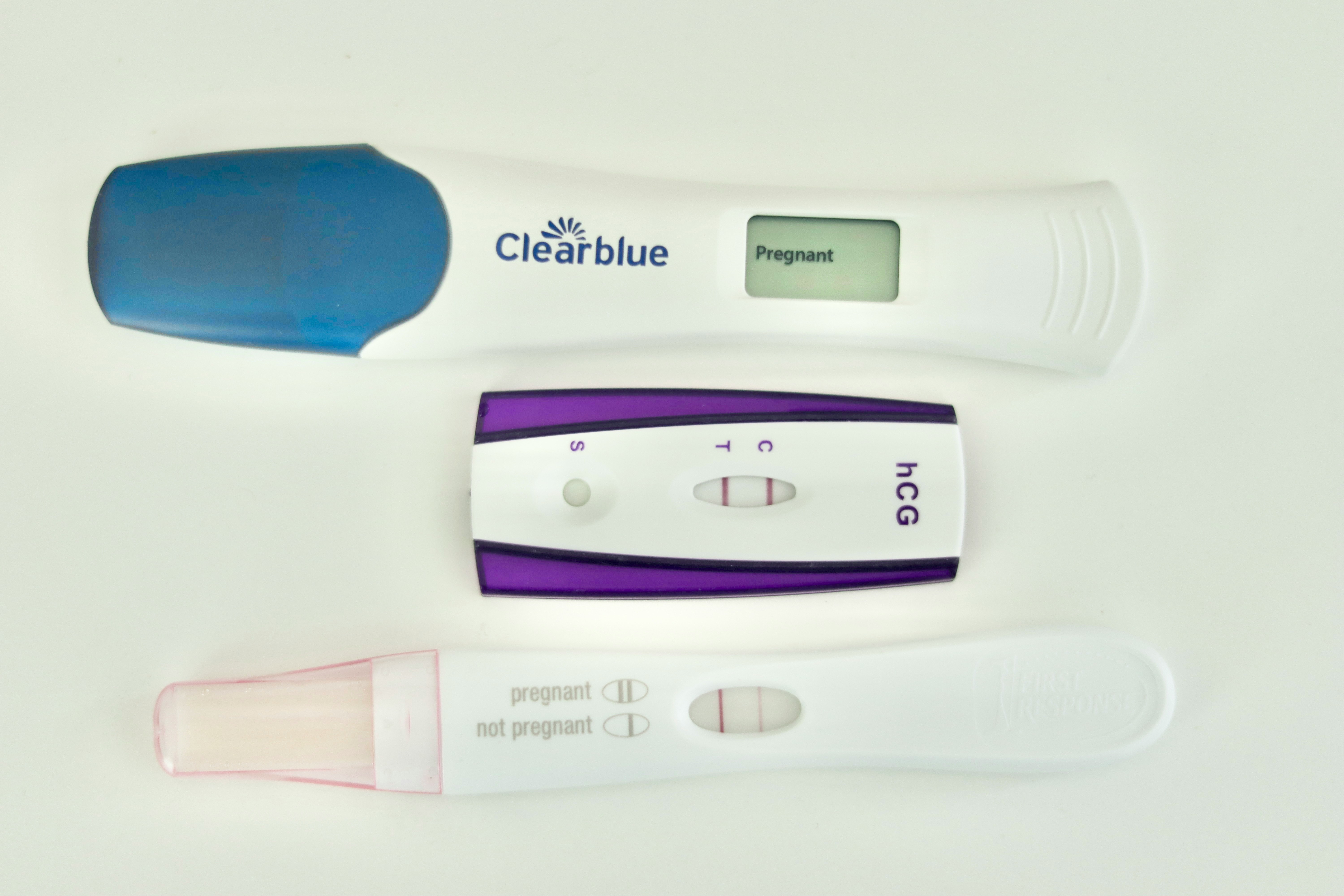
Most home pregnancy tests are designed to be accurate starting on the first day of your missed period. Some early-detection tests claim they can give results up to 6 days before your missed period, but accuracy improves significantly the closer you get to your expected period date.
If you test early and get a negative result but still feel like something is different, wait a few days and test again. hCG levels double roughly every 48-72 hours in early pregnancy, so a test that's negative on Monday might be positive by Thursday.
For the most accurate result, test with your first morning urine — it has the highest concentration of hCG.
When to Call Your Provider
Most early pregnancy symptoms are completely normal, but reach out to your healthcare provider if you experience:
- Heavy bleeding (soaking through a pad in an hour)
- Severe abdominal pain, especially on one side
- Dizziness or fainting
- Fever over 100.4 degrees
These could indicate something that needs medical attention, like an ectopic pregnancy.
Sources
This article is written from published guidance by the organizations below. Every link is checked automatically and re-verified on the date shown.
- ACOGPrenatal CareLink verified Sep 7, 2026
- Cleveland ClinicPregnancy SymptomsLink verified Sep 7, 2026