TL;DR
- Most home pregnancy tests are accurate starting on the first day of your missed period
- "Early detection" tests may work up to 6 days before your missed period, but accuracy is significantly lower that early
- Testing too early is the most common reason for false negatives — if you get a negative but still suspect pregnancy, wait a few days and retest
- For the most reliable result, test first thing in the morning with concentrated urine
The Short Answer
You can take a pregnancy test at any time. But whether you'll get an accurate answer depends entirely on timing.
Most standard home pregnancy tests are designed to be reliable starting on the first day of your expected period. Some early-detection tests claim they can pick up pregnancy 6 days before your missed period — and they can, sometimes — but the accuracy that early is only around 60-75%. That means you could be pregnant and still get a negative result.
The reason comes down to one thing: hCG levels.
How Pregnancy Tests Actually Work
Home pregnancy tests detect a hormone called hCG (human chorionic gonadotropin) in your urine. Your body starts producing hCG after a fertilized egg implants in the uterine lining, which typically happens 6-12 days after ovulation.
Here's the catch: hCG starts out at very low levels and then roughly doubles every 48-72 hours. In the earliest days after implantation, there simply might not be enough hCG in your system for a test to detect.
Here's a rough timeline of what's happening:
- Days 1-6 after ovulation: The fertilized egg is traveling through the fallopian tube. No hCG yet. No test will work.
- Days 6-12 after ovulation: Implantation occurs. hCG production begins, but levels are still very low.
- Days 12-14 after ovulation: hCG is rising. Some sensitive early-detection tests might pick it up. This is roughly when you'd expect your period.
- Day 14+ after ovulation (missed period): hCG levels are high enough for standard tests to detect reliably.
Test Accuracy by Timing
| When You Test | Approximate Accuracy |
|---|---|
| 6 days before missed period | ~60% |
| 4 days before missed period | ~75% |
| 2 days before missed period | ~90% |
| Day of missed period | ~99% |
| 1 week after missed period | ~99%+ |
These numbers come from the tests' own clinical data. The takeaway: the longer you can wait, the more trustworthy your result.
Why False Negatives Happen
A false negative — a negative result when you're actually pregnant — almost always comes down to testing too early. Other reasons include:
- Diluted urine. If you've been drinking a lot of water, your urine may be too dilute for the test to detect hCG. This is why first-morning urine is recommended — it's the most concentrated.
- Late implantation. Not everyone implants at the same time. If implantation happens later in your cycle (closer to day 12), hCG will take longer to reach detectable levels.
- Irregular cycles. If your cycles vary in length, you might miscalculate when your period is actually due and test too early without realizing it.
If you get a negative but your period still doesn't come, test again in 3-5 days. Many people who ultimately get a positive result had a negative one just days earlier.
Can You Get a False Positive?
False positives are much rarer than false negatives, but they can happen. Possible causes include:
- Chemical pregnancy. A very early pregnancy loss that occurs shortly after implantation. The test detected real hCG, but the pregnancy didn't continue. This is more common than most people realize and is not caused by anything you did.
- Certain medications. Fertility treatments containing hCG (like trigger shots) can cause a positive result. Other medications generally don't affect results.
- Evaporation lines. If you read the test after the recommended time window (usually 3-5 minutes), an evaporation line can appear and look like a faint positive. Always read results within the time window specified on the box.
Tips for the Most Accurate Results
- Wait until the day of your expected period if you can. The hardest part is the waiting, but accuracy improves dramatically.
- Use first-morning urine. It has the highest hCG concentration.
- Follow the instructions exactly. Timing matters — don't read the result too early or too late.
- Don't drink excessive fluids beforehand. Hydration is great, but chugging water right before testing can dilute your sample.
- A faint line is a positive. If you see any line at all in the result window (within the correct time frame), hCG was detected. Test again in 2 days — the line should be darker.
Digital vs. Line Tests
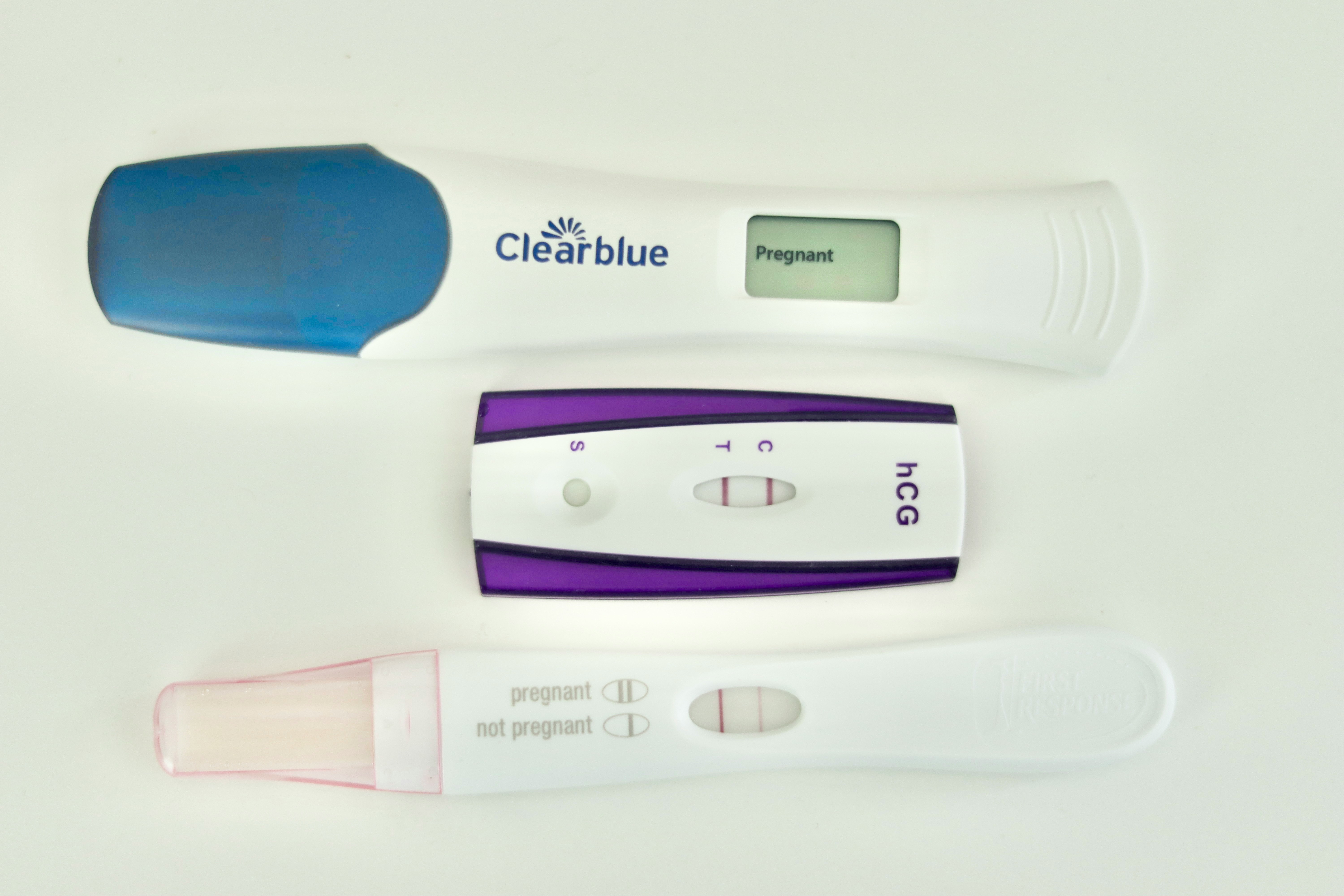
Line tests (the ones with two lines for positive, one for negative) tend to be slightly more sensitive and can detect lower levels of hCG. They're also cheaper, which makes them easier to retest with.
Digital tests (the ones that display "Pregnant" or "Not Pregnant") are easier to read and eliminate the "is that a line or not?" anxiety. However, they typically require slightly higher hCG levels to register a positive, so they may not catch pregnancy quite as early.
Many people use a cheap line test first, then confirm with a digital test for the satisfying clarity of seeing the word.
What If You Can't Wait?
If the suspense is truly unbearable and you want to test before your missed period:
- Use an early-detection test (look for "test up to 6 days early" on the box)
- Test with first-morning urine
- Understand that a negative result doesn't mean you're not pregnant — it might just mean it's too early
- Plan to retest in a few days if your period doesn't come
And try to be kind to yourself during the wait. This is one of those moments in life where you genuinely can't rush the answer.
Sources
This article is written from published guidance by the organizations below. Every link is checked automatically and re-verified on the date shown.
- ACOGPrenatal CareLink verified Sep 7, 2026
- Cleveland ClinicPregnancy TestsLink verified Sep 7, 2026