TL;DR
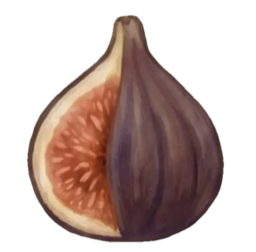
- Your baby is the size of a fig, about 4.1cm
- Your baby can open and close their fists — the first intentional-looking movements
- You're nearing the end of the first trimester, and symptoms may start to shift
- Eat foods rich in iron like leafy greens and lean meats
Your Baby This Week
At eleven weeks, your baby measures about 4.1cm — roughly the size of a fig — and is developing some truly amazing new abilities. This week, your baby can open and close their fists.
It's a small thing when you read it on a page, but think about what it means: the brain is sending signals through the nervous system to the muscles of the hand, and those muscles are responding. This is one of the first coordinated movements your baby makes, and it's a sign that the connection between brain and body is strengthening.
Your baby's movements are becoming more varied and purposeful. In addition to opening and closing their fists, your baby is stretching, somersaulting, hiccupping, and even swallowing amniotic fluid. These movements are still too small for you to feel, but they're happening constantly throughout the day.
The head is becoming more proportional to the body, though it's still the largest body part. The nasal passages are open, and the ears are moving to their final position on the sides of the head. Hair follicles are forming on the scalp. Your baby's skin is still translucent — you could see the blood vessels underneath if you could look closely enough — but it will thicken over the coming weeks.
Bones continue to harden, and new bones are forming throughout the body. The diaphragm is developing, which means your baby might start having hiccups — practice for the breathing movements they'll make after birth.
Your Body This Week
You're almost at the end of the first trimester, and for some people, this week brings the first hints of relief from early pregnancy symptoms. Morning sickness may be starting to ease. Your energy levels might tick up slightly. It's not a dramatic shift — more like a slow, gradual improvement that builds over the next few weeks.
Your belly may be starting to look different. The uterus is rising out of the pelvis, and some people have the beginnings of a small bump. Others still look the same as before pregnancy. Both are normal — the timing of a visible bump depends on many factors including your build, muscle tone, and whether this is your first pregnancy.
You might notice changes in your hair and nails. Many people find their hair looks thicker and shinier, and their nails grow faster during pregnancy. These changes are driven by increased estrogen and improved circulation. Some people also notice excess hair growth on their face, belly, or arms.
Constipation might be an ongoing issue. Progesterone slows down your digestive system, and iron in prenatal vitamins can make it worse. Drinking plenty of water, eating high-fiber foods, and staying active can help keep things moving.
Emotionally, you may be starting to feel a shift. As the first trimester winds down and the risk of miscarriage decreases, some people feel a growing sense of security. You might be starting to think about sharing the news, planning for the future, or simply allowing yourself to believe this is really happening.
Common Questions at Week 11
When is the nuchal translucency scan done?
The nuchal translucency (NT) scan is typically performed between weeks 11 and 14. This ultrasound measures the fluid at the back of your baby's neck to screen for chromosomal conditions like Down syndrome. It's often combined with a blood test for more comprehensive screening. Your provider will discuss the options and help you decide what testing, if any, you'd like to have done.
I keep forgetting things. Is "pregnancy brain" real?
Many pregnant people report increased forgetfulness, difficulty concentrating, and feeling mentally foggy. While the term "pregnancy brain" isn't a formal medical diagnosis, research does suggest that hormonal changes, sleep disruption, and the cognitive demands of processing a major life change can all affect memory and focus. It's real, it's temporary, and making lists can be a lifesaver.
Why am I so constipated?
Progesterone relaxes smooth muscle throughout your body, including the muscles in your intestinal walls. This slows down the movement of food through your digestive system, giving your body more time to absorb nutrients but also causing constipation, bloating, and gas. Iron supplements can compound the problem. To help, increase your fiber intake, drink plenty of water, and try to move your body regularly.
This Week's Tip
Eat foods rich in iron like leafy greens and lean meats. Iron is essential during pregnancy because your body is producing significantly more blood to support your baby. Low iron levels can lead to anemia, which causes extreme fatigue, weakness, and dizziness — on top of the exhaustion you may already be feeling. Good sources of iron include spinach, kale, lentils, beans, lean beef, chicken, and fortified cereals. Pairing iron-rich foods with vitamin C (like citrus fruits, bell peppers, or tomatoes) helps your body absorb the iron more efficiently. If your provider recommends an iron supplement and it causes stomach trouble, try taking it with food or at bedtime, and ask about slow-release formulations.
Sources
This article is written from published guidance by the organizations below. Every link is checked automatically and re-verified on the date shown.
- ACOGHow Your Fetus Grows During PregnancyLink verified Sep 7, 2026
- Mayo ClinicFetal Development: The 1st TrimesterLink verified Sep 7, 2026