TL;DR
- Your baby is the size of a plum, about 5.4cm
- Your baby can now make sucking motions — practicing for feeding after birth
- The first trimester is wrapping up, and many people start sharing the news
- Many parents share the news around now as risk decreases after the first trimester
Your Baby This Week
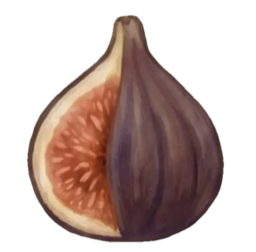
At twelve weeks, your baby is about 5.4cm long — the size of a plum — and weighs about half an ounce. This week brings a sweet new development: your baby can make sucking motions. Those tiny lips are practicing the reflex that will eventually be used for feeding after birth.
Your baby's face is fully formed now. The eyes have moved from the sides of the head to the front, the ears are in their final position, and the profile — forehead, nose, chin — is recognizable as a human face. Your baby even has a unique set of vocal cords, though it will be months before you hear their first cry.
The digestive system is practicing too. Your baby's intestines, which had been growing outside the body in the umbilical cord, have now migrated back into the abdomen. The intestines are beginning to contract and relax in a wave-like motion called peristalsis — the same movement that pushes food through your own digestive system.
Bone marrow is starting to produce white blood cells, which will help your baby fight infections after birth. The pituitary gland at the base of the brain is producing hormones. The kidneys are functioning and producing urine, which is excreted into the amniotic fluid. (Yes, your baby is peeing. It's a good thing.)
Your baby's reflexes are developing. If something touches their palm, they'll close their fingers around it. If something touches the soles of their feet, their toes will curl. These reflexes will be fully developed and testable at birth.
Your Body This Week
The end of the first trimester is a turning point for many people. Morning sickness, while not gone for everyone, is often starting to improve. Energy levels may begin to creep back up. The heavy fog of first-trimester exhaustion starts to lift, replaced by something approaching normal — or even a burst of new energy.
Your uterus has risen above the pelvic bone, and your provider can now feel it by pressing on your lower abdomen. For some people, a small bump is becoming visible. It might not be obvious to strangers yet, but you can probably see the difference, especially when you look in the mirror sideways.
The placenta has fully taken over hormone production from the corpus luteum (the temporary structure in your ovary that's been supporting the pregnancy since conception). This hormonal handoff is part of why many first-trimester symptoms start to ease around now.
You might notice a dark line appearing down the center of your abdomen. This is called the linea nigra, and it's caused by increased melanin production during pregnancy. It's completely harmless and usually fades after delivery.
Common Questions at Week 12
Is it safe to announce the pregnancy now?
Many people choose to share the news around week 12 because the risk of miscarriage drops significantly after the first trimester. But there's no rule that says you have to tell anyone at any particular time. Some people announce early because they want support regardless of the outcome. Others wait longer for personal reasons. Share when it feels right for you.
What is the nuchal translucency scan looking for?
The NT scan, typically done between weeks 11-14, measures the thickness of a fluid-filled space at the back of your baby's neck. An increased measurement can be an indicator of chromosomal conditions like Down syndrome or certain heart defects. The scan is a screening tool, not a diagnostic test — it identifies risk, not certainty. If results suggest increased risk, your provider will discuss follow-up options like amniocentesis or chorionic villus sampling (CVS).
When will morning sickness end?
For most people, morning sickness improves between weeks 12 and 14, and is largely gone by week 16-20. About 10% of pregnant people experience nausea into the second trimester, and a smaller percentage deal with it throughout pregnancy. If your symptoms are still severe, talk to your provider about medication options.
Should I be worried about miscarriage after week 12?
The risk of miscarriage drops significantly after the first trimester. Once a heartbeat has been confirmed and you've passed week 12, the risk decreases to about 1-5%, depending on your age and other factors. While it's natural to continue feeling some anxiety, the statistical odds are strongly in your favor.
How do I tell my boss I'm pregnant?
There's no one-size-fits-all answer, but here are some tips: schedule a private meeting, be straightforward, and come prepared with a general timeline (when you plan to go on leave, when you'll return). You don't owe anyone details about your pregnancy or medical care. Focus on your plan for work continuity and any accommodations you might need. Familiarize yourself with your company's parental leave policy beforehand.
This Week's Tip
Many parents share the news around now as risk decreases after the first trimester. If you've been keeping your pregnancy a secret, this might be the week you start telling people. There's no right way to do this — some people make elaborate announcements, others send a simple text to close friends and family. However you choose to share, give yourself permission to enjoy the reactions. After weeks of quietly navigating nausea, exhaustion, and anxiety, it can feel incredibly freeing to finally say it out loud. You're having a baby.
Milestone: First Trimester Complete
You did it. The first trimester — often the hardest, most uncertain, and most exhausting phase of pregnancy — is behind you. You made it through the nausea, the fatigue, the worry, the waiting. You grew a human being from a single cell to a fully-formed baby with ten fingers, ten toes, a beating heart, and working organs. That's no small thing. The first trimester is a marathon disguised as a sprint, and reaching this point is absolutely worth celebrating. Whether you mark the occasion with a special meal, a journal entry, or simply a deep breath of relief, take a moment to acknowledge what you've accomplished. The second trimester is often called the "honeymoon phase" of pregnancy — more energy, less nausea, and the exciting milestones of feeling movement and learning more about your baby. You've earned it.
Sources
This article is written from published guidance by the organizations below. Every link is checked automatically and re-verified on the date shown.
- ACOGHow Your Fetus Grows During PregnancyLink verified Sep 7, 2026
- Mayo ClinicFetal Development: The 1st TrimesterLink verified Sep 7, 2026